I've owned The Village Chimney Sweep since 2018. In that time, I've learned that one simple system, installed early, compounds into something that can fill your schedule with a single group text. Let me tell you what that system is — and why it works.
Why Most Home Service Owners Skip Systems (And What It Costs Them)
When you're getting started, the work is everything. You're focused on showing up, doing a good job, and getting paid. Nobody sits down in the early days to think about the business side of things, and honestly, that's appropriate — you have to learn your craft first.
But without even a few small systems in place, you end up in feast-or-famine mode. You either have more work than you can handle, or you're scrambling. And without a reliable way to be found or to reach back out to past customers, you end up dependent on expensive lead-generation services. Your cost per lead stays high. Your schedule stays unpredictable.
A few baby systems change that equation completely.
My First System — And Why I Built It
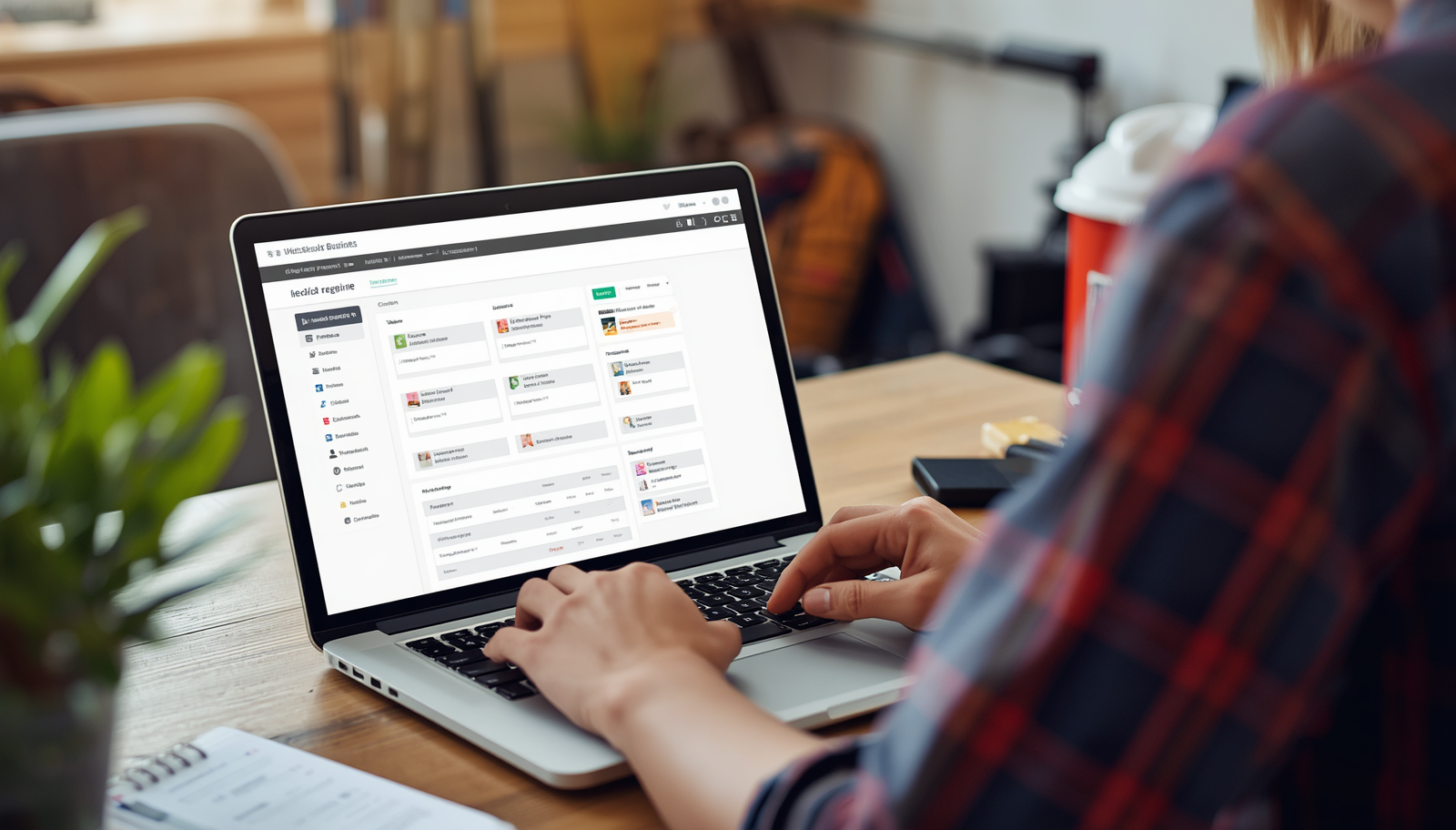
My first business system was a website with online booking. I installed it because I had just had my third baby and my house was chaotic. I had an infant. I couldn't reliably answer the phone. I needed a way for customers to book without speaking to me.

The result felt almost like magic. In the first week, a booking came in while I was asleep. I hadn't done anything — a customer found us, picked a time, and confirmed. Done.
It wasn't without growing pains. As questions came in, we had to reword service descriptions for clarity. We learned to limit what we offered online to reduce confusion. But something unexpected happened: customers started complimenting us on our transparency and how easy it was to book. The system wasn't just solving my problem — it was building trust with people before they ever met us.
But Here's What I'd Do First If I Were Starting Over
Online booking was the right move for me at the right moment. But if I were starting from scratch today, I'd install a lead capture and tagging system first.
Here's why: an organized customer database is the foundation everything else is built on. When your customer list is automatically organized — by neighborhood, by last service date, by job type — you can do something most business owners can't: generate work in five minutes whenever you need it.
That's not an exaggeration.
The Summer Discount Text That Fills My Week
Every summer is slow for chimney sweeps. Nobody thinks about their fireplace when it's 90 degrees outside. For years, slow summers were just a fact of the business.
Now, every summer, I run a returning customer discount. Because my database is organized by year and service history, I can pull up every customer in a specific neighborhood or zip code who last had an appointment two years ago. Then I send a group text that reads like an individual message:
When I send that message to 20 customers, I reliably hear back from 3 to 6 of them. Week filled.
That's not a marketing campaign. That's not an ad budget. That's five minutes and a good database.
"A five-minute text to 20 people who already know you is worth more than any ad you'll ever run."
— Emily Martinez
What "Lead Capture and Tagging" Actually Means
You don't need expensive software to start. A lead capture system is just a reliable way to collect customer information every time someone contacts you — name, phone number, address, what they needed, and when. A tagging system is just a way to organize that information so you can find it later.
This could be a spreadsheet when you're just starting out. It could be a simple CRM. What matters is the habit: every customer goes in, every job gets logged, and you can sort and filter by whatever matters to you.
Over time, that database becomes the most valuable asset in your business. It's a list of people who already trust you. It's warmer than any cold lead you'll ever buy.
The Bottom Line
Your first business system should be the one that builds your foundation. For a home service business, that means a lead capture and tagging system — a clean, organized record of every customer you've ever served.
Online booking, automated reminders, review requests — all of that comes later, and it all works better when it's built on top of a solid customer database.
Start small. Stay consistent. And remember: a five-minute text to 20 people who already know you is worth more than any ad you'll ever run.